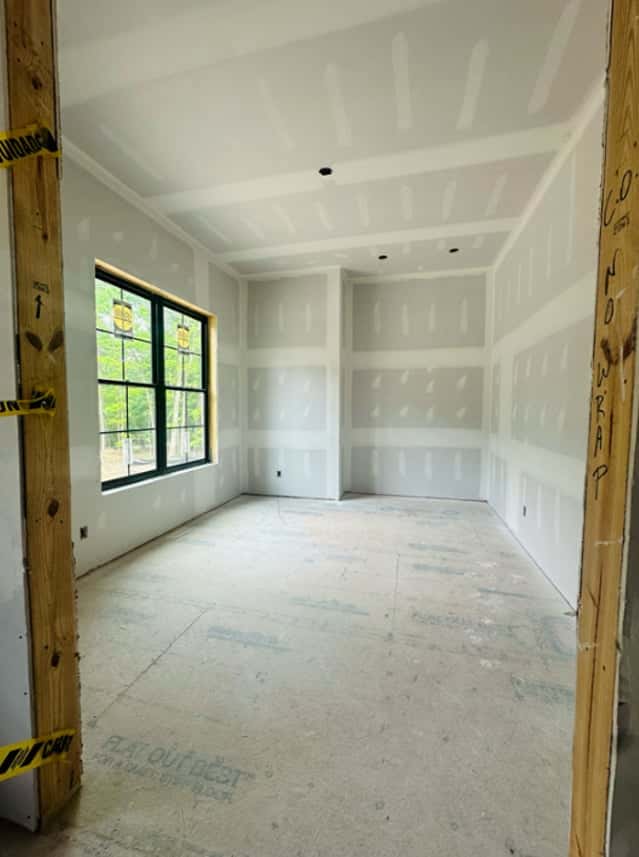
Custom Room Additions in Richmond, VA
Create the extra space your family needs — from sunrooms and bonus rooms to finished basements and converted garages.
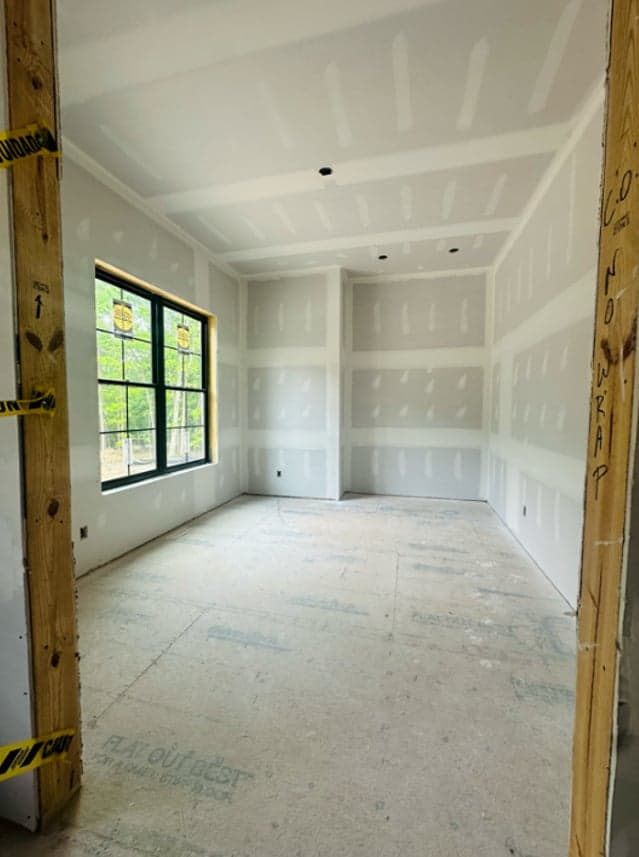
Why Choose MAS Contractors?
Not every space addition requires building from the ground up. MAS Contractors LLC transforms underused areas of your Richmond home into fully finished, functional living space — converting garages into living areas, finishing basements, building sunrooms, and adding bonus rooms that blend seamlessly with your existing home.
We handle every phase in-house: design coordination, permits, insulation, framing, electrical, drywall, flooring, and finish work. Whether you're adding a home office, a mother-in-law suite, a playroom, or a sunroom overlooking your backyard, our team delivers finished spaces that feel like they were always part of the plan.
- Sunroom and four-season room additions
- Garage conversion to living space
- Basement finishing and egress additions
- Attic conversion to bedroom or office
- Bonus room and flex space construction
- Home office and studio additions
- Full permit management included
- MEP rough-ins, insulation & drywall to final finish
Our Process
Space Assessment & Design
We evaluate the existing space, check structural capacity and zoning requirements, and design a scope that maximizes your square footage efficiently.
Permits & Engineering
We prepare and submit permit applications for Chesterfield County or Richmond City, coordinate engineering if required, and track approval through the process.
Rough-In & Structural Work
Framing, insulation, MEP rough-ins (electrical, HVAC extension, plumbing if needed), and all required inspections at each phase before finish work begins.
Drywall, Flooring & Finish
From bare framing to finished space: drywall, trim, flooring, paint, lighting, and a detailed punch-list walkthrough before handoff.
11+
Years of Experience
500+
Projects Completed
100%
Satisfaction Rate
Always
Free Estimate
Cost & Timeline Guide
$20,000 – $80,000
Most projects: $30,000 – $55,000
6 – 16 weeks
Permit review may add time to some projects
What Affects Your Cost
- Type of space being converted (garage, basement, attic, or new addition)
- HVAC extension complexity and equipment capacity available
- Egress requirements for bedrooms (basement window wells, opening cuts)
- Finish level — standard vs. custom materials and millwork
- Structural modifications needed to existing framing
What Every Homeowner Should Know
Common Challenges
HVAC Extension Complexity
Extending your existing HVAC to a new room requires calculating duct sizing, static pressure, and remaining equipment capacity. Many older Richmond systems don't have the capacity to condition an additional room efficiently — sometimes requiring a mini-split system or dedicated zone addition.
Egress Requirements for Basement Bedrooms
Converting basement space to a bedroom requires egress windows meeting strict dimensional codes. Cutting new openings in foundation walls requires structural lintels above and proper waterproofing at every penetration to prevent moisture intrusion — work that must be permitted and inspected.
Garage Slab Moisture Transmission
Garage slabs lack vapor barriers and typically have expansion cracks. Before installing any flooring in a garage conversion, the slab must be tested for moisture transmission and treated appropriately. Skipping this step leads to flooring failure within 1–2 years.
Thermal Envelope Continuity
Connecting a new conditioned space to the existing house requires careful air sealing and insulation continuity. Gaps in the thermal envelope create cold spots, condensation, and mold in Virginia's climate — often not visible until years after completion.
Pro Tips from Our Team
Test your garage slab for moisture before choosing flooring — tape plastic sheeting to the floor for 24 hours. Condensation on the underside means a vapor barrier or moisture-tolerant flooring system is required.
Size sunroom glazing carefully for Virginia's climate: too much south-facing unshaded glass creates an unusable hot box in July. Proper overhangs or Low-E glass manage solar gain without sacrificing winter light.
Plan your HVAC solution before framing begins — adding a mini-split to a new room is often smarter and more efficient than extending an already-loaded duct system.
Insulate between the garage conversion and the rest of the house even after it's conditioned — the existing separation wall is your second line of defense if the HVAC has any issue.
Budget for an electrical subpanel in any large room addition — running individual circuits from the main panel gets expensive, and a subpanel is cleaner and gives room to expand later.
Safety Equipment on Every Job
Frequently Asked Questions
Other Services in Richmond, VA
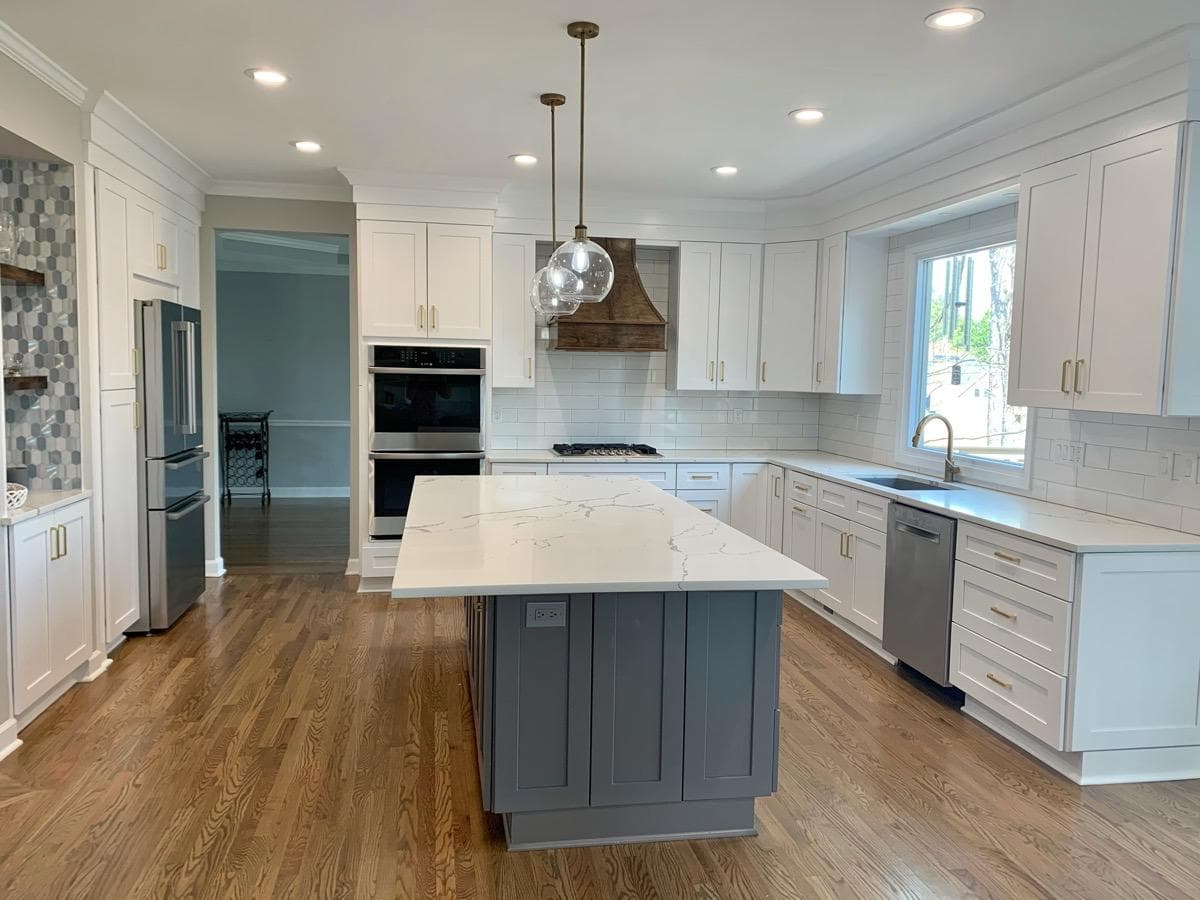
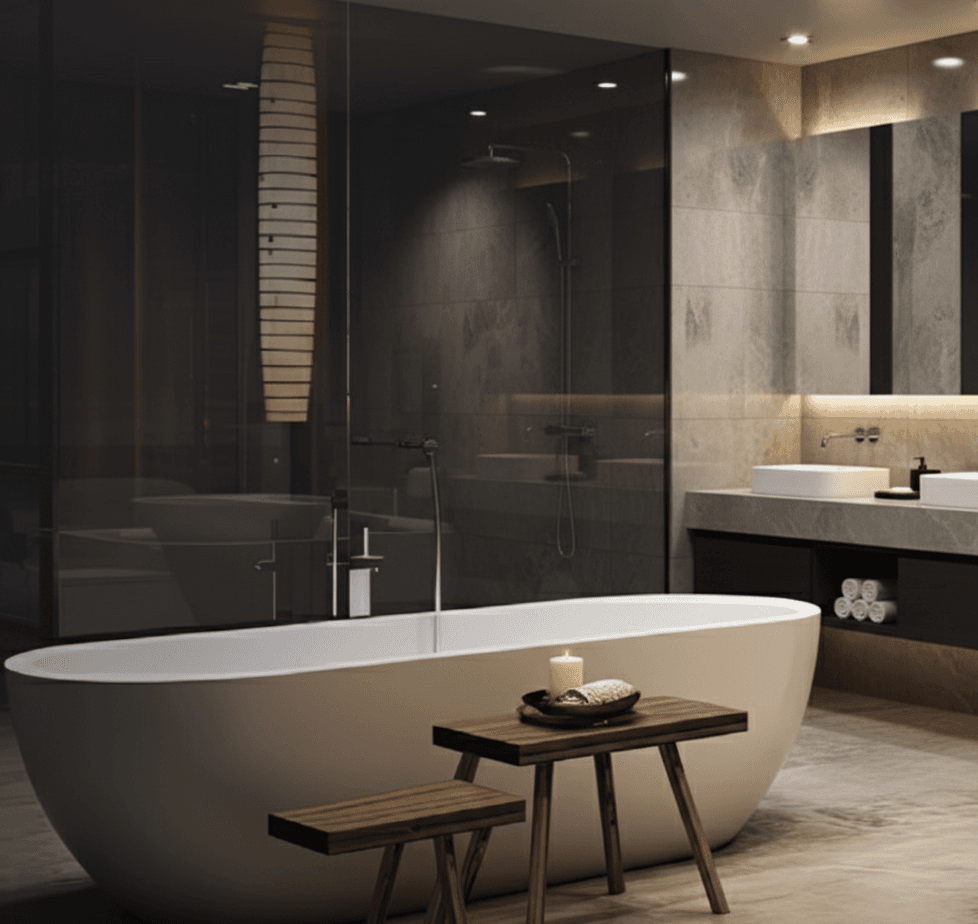

Ready for Your Free Estimate?
Serving Richmond, North Chesterfield, Midlothian, Glen Allen, and Henrico. Licensed, insured, and ready to start.