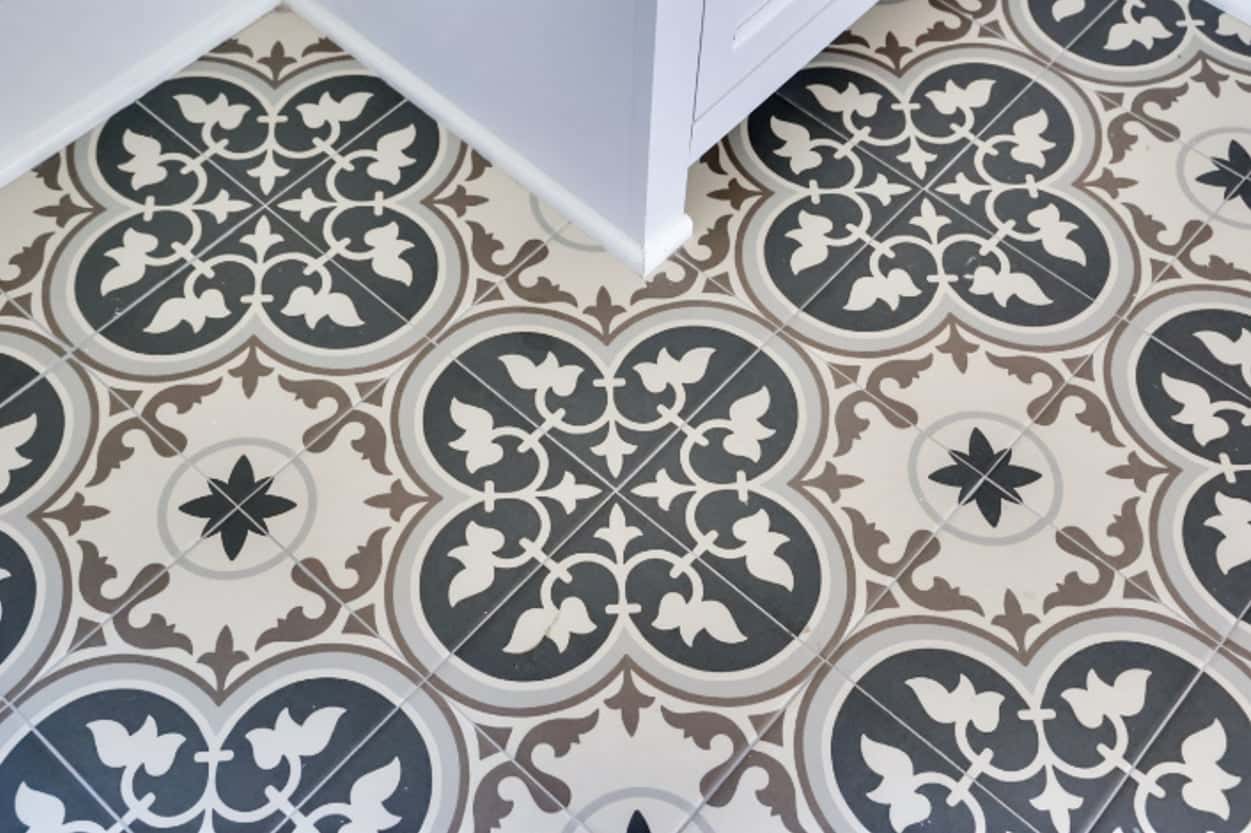
Tile Installation in Richmond, VA
Precision tile work that transforms any surface — from custom shower systems to large-format floor tile.
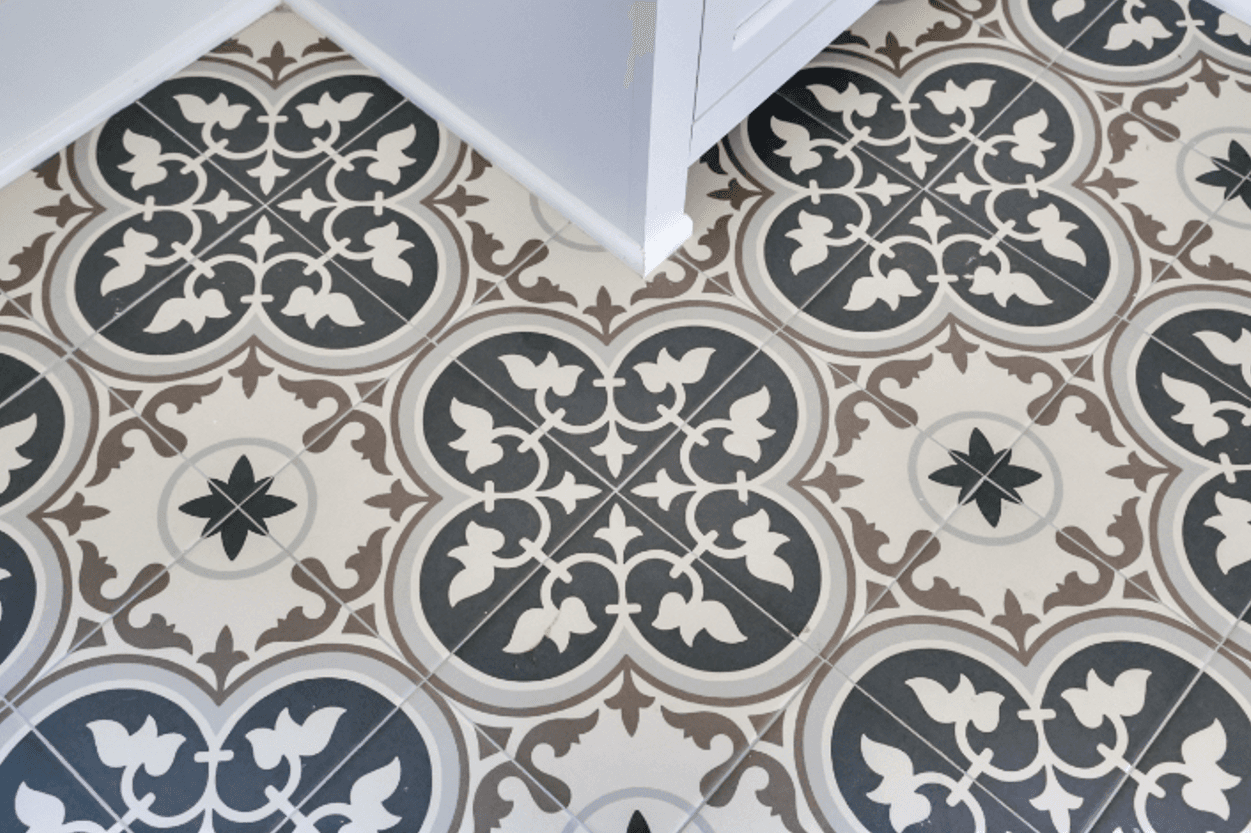
Why Choose MAS Contractors?
Tile installation is one of the most technically demanding trades in residential construction — and one of the most visible. MAS Contractors LLC installs tile throughout homes and commercial spaces across Richmond, North Chesterfield, and Midlothian with the precision and waterproofing expertise that separates work that lasts decades from work that fails in years.
We work with the full range of tile materials: porcelain, ceramic, natural stone, marble, glass, and large-format tile up to 48×48". Every wet area receives Schluter Kerdi or RedGard waterproofing before a single tile is set — because proper waterproofing protects your home, and the tile is only as good as what's behind it.
- Custom shower tile design & installation
- Large-format porcelain floor tile (up to 48×48")
- Kitchen backsplash installation
- Steam shower systems
- Natural stone & marble installation
- Shower bench and niche construction
- Schluter Kerdi & RedGard waterproofing systems
- Heated floor systems under tile
Our Process
Surface Assessment & Design
We evaluate substrate condition, waterproofing needs, and layout options — then help you select tile, grout, and pattern for the best result in your space.
Substrate Prep & Waterproofing
Existing tile removed, substrate repaired or replaced, and waterproofing membrane installed and tested before any tile is set. No shortcuts on this phase.
Layout, Cuts & Installation
We dry-lay the full tile pattern before mixing any mortar — confirming layout and cut lines. Tile is set with the correct thinset for each material and surface.
Grout, Caulk & Sealing
Grout applied and cleaned, movement joints caulked (never grouted at changes of plane), and natural stone sealed. Final walkthrough confirms every joint, edge, and transition.
11+
Years of Experience
500+
Projects Completed
100%
Satisfaction Rate
Always
Free Estimate
Cost & Timeline Guide
$8 – $30+ per sq ft installed
Most projects: $3,000 – $12,000 per room
3 – 10 days
Permit review may add time to some projects
What Affects Your Cost
- Tile material — ceramic vs. porcelain vs. natural stone vs. marble
- Tile size — large format requires more complex substrate preparation
- Pattern complexity — herringbone, diagonal, and custom layouts add labor
- Waterproofing system required (shower vs. floor vs. backsplash)
- Existing substrate condition and extent of repairs needed
What Every Homeowner Should Know
Common Challenges
Substrate Flatness for Large-Format Tile
Large format tiles (over 15" on an edge) require substrates flat to 1/8" in 10 feet — far tighter than standard tile work. Old subfloors almost never meet this without self-leveling underlayment. Skipping this prep causes tiles to rock, crack, and show lippage visible from across the room.
Waterproofing System Compatibility
Different tile types, adhesives, and waterproofing membranes must be chemically compatible. Using the wrong thinset over a membrane — or incompatible products — causes delamination within 2–3 years: a complete tile tear-out to fix.
Natural Stone Variation and Pre-Sealing
Natural marble and stone vary dramatically tile-to-tile. Proper sorting, dry-laying, and sealing before installation prevents grout staining. Stone that isn't sealed before grouting can absorb pigment permanently — there's no fixing it after.
Movement Joints at Every Change of Plane
Grout is rigid — it will crack at stress points where tile meets walls, curbs, and changes of plane. These locations must be filled with matching silicone caulk, not grout. This is the most commonly skipped detail in tile work and the leading cause of cracked grout lines within 12 months.
Pro Tips from Our Team
Always dry-lay your tile pattern across the full floor or shower before mixing any thinset — it reveals where cuts fall, confirms the layout looks right, and lets you adjust the starting point to avoid awkward slivers at visible edges.
Seal natural stone and unglazed porcelain before grouting — grout will permanently stain unsealed stone within 30 minutes of contact. Apply sealer, let it cure fully, then grout.
Use movement joints (silicone caulk, not grout) at every change of plane — where floor meets wall, where tile meets the tub curb, at inside corners of showers. Structures move; grout doesn't.
Back-butter large format tiles in addition to spreading thinset on the substrate — good coverage under the tile matters. Voids create hollow spots that crack under foot traffic.
For shower floors, maintain a 1/4" per foot slope toward the drain on the mortar bed before setting tile — a shower floor that doesn't drain completely stays wet and grows mold in Virginia's humidity.
Safety Equipment on Every Job
Frequently Asked Questions
Other Services in Richmond, VA
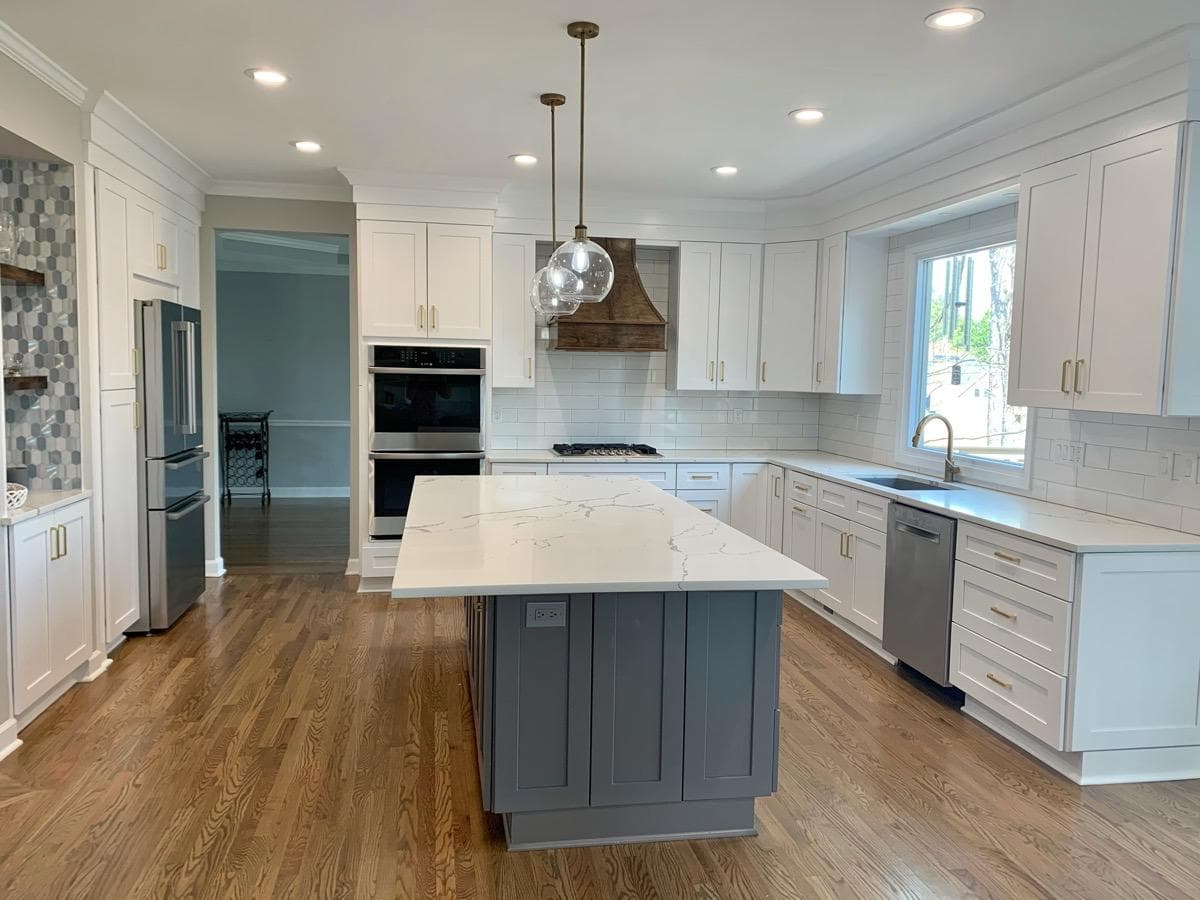
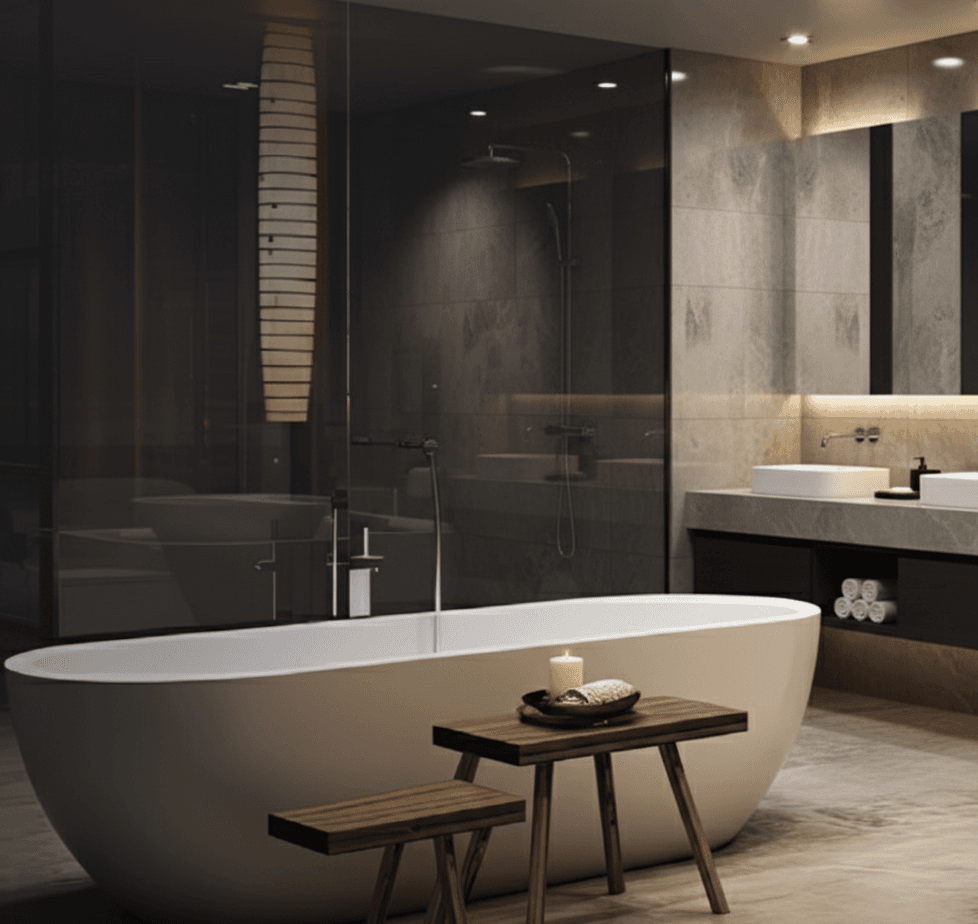
Ready for Your Free Estimate?
Serving Richmond, North Chesterfield, Midlothian, Glen Allen, and Henrico. Licensed, insured, and ready to start.